
This website provides the public with information about the Recovered Chemical Warfare Materiel (RCWM) Program. This Program establishes roles and assigns responsibilities for the oversight, coordination, management, and execution of actions involving any munitions and certain materials of interest or RCWM recovered within the United States.
DoW has implemented its 3Rs (Recognize, Retreat, Report) Explosives Safety Education Program to inform the public of the actions to take should they encounter or suspect they have encountered a military munition.
3Rs (Recognize, Retreat, Report)
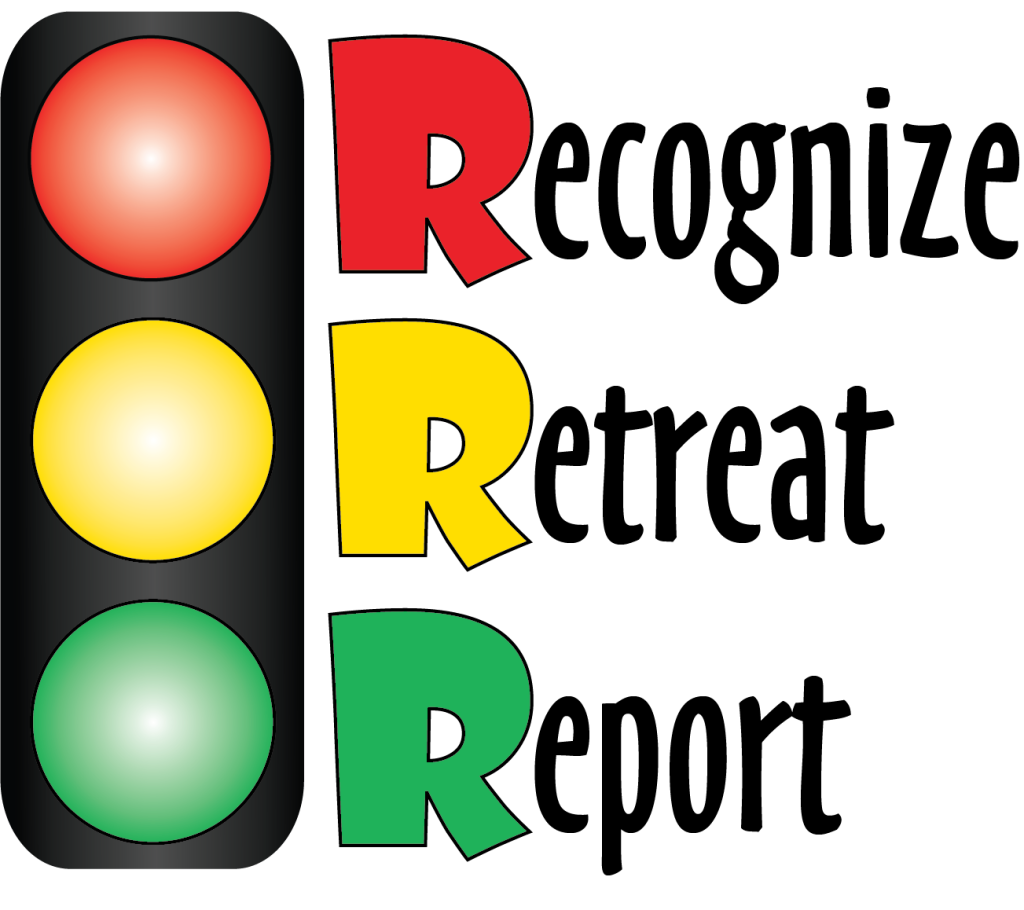
The Army developed the 3Rs (Recognize, Retreat, Report) Explosives Safety Education Program in 2000 to explain what to do if you encounter or suspect you have encountered a munition, including CWM. If you encounter a suspicious item or an object you recognize to be military in nature, follow the 3Rs:
RECOGNIZE — when you may have encountered a munition and that munitions are dangerous.
RETREAT — do not approach, touch, move or disturb it, but carefully leave the area.
REPORT — call 911 and advise the police of what you saw and where.
Report what you encountered, and where it is, and let the experts handle the response. If needed, local officials can request assistance from a military explosive ordnance disposal team.
Educational materials, including items specific to CWM and Chemical Agent Identification Set (CAIS), can be downloaded from the 3Rs portal on the Defense Environment, Safety, and Occupational Health Network and Information Exchange (DENIX).
Munitions Response Public Involvement
Opportunities for public involvement are part of the munitions response process. These include involvement at the following points.
Application of the Munitions Response Site Prioritization Protocol (MRSPP)
The Components and the FUDS Program use the MRSPP (Volume 32 Code of Federal Regulations (CFR) Part 179) to evaluate each munitions response site to establish priorities for funding and execution of munitions responses. It is DoW policy to ensure outside agencies, interest groups, and the public are offered opportunities as early as possible and throughout the process to participate in the application of the MRSPP and in making sequencing recommendations.
Remedial Investigation and Feasibility Study (RI/FS)
The RI/FS phase of a munitions response requires that Components engage in various community relations activities, to the extent practicable, prior to commencing field work. These activities include
- Conducting interviews with local officials, community residents, public interest groups, or other interested or affected parties to solicit their concerns and information needs and to learn how and when citizens would like to be involved in the response process.
- Preparing a formal community relations plan, based on the community interviews and other relevant information, specifying the community relations activities that the responsible Component expects to undertake during the remedial response. The community relations plan ensures the public has appropriate opportunities for involvement in a wide variety of site-related decisions, including site analysis and characterization, alternatives analysis, and selection of remedy, and has opportunities to learn about the site.
- Establishing at least one local information repository at or near the location of the munitions response. The repository contains copies of items made available to the public.
- The Components may also conduct technical discussions with the public.
Preparation of the Proposed Plan and a Decision Document (DD) or Record of Decision (ROD)
This phase also includes an important community involvement element. The Proposed Plan, the first step in the remedy selection process, provides the public a reasonable opportunity to comment on the preferred remedial action and alternative plans under consideration. It must describe the remedial alternatives analyzed, propose a preferred remedial action alternative and summarize the information relied upon to select the preferred alternative.
DoW’s Military Munitions Response Program’s Website provides detailed information about the Military Munitions Response Program.
Restoration Advisory Boards (RAB)
Another means by which DoW provides for community involvement is establishment of a RAB. DoW will establish a RAB where there is sufficient and sustained community interest in working with the Component engaged in environmental restoration at a specific site. 32 CFR Part 202, Restoration Advisory Boards governs the formation, composition, operation, adjournment and dissolution of a RAB. DoW’s Restoration Advisory Board Rule Handbook provides additional information about RABs.
Share Your Historical Knowledge
If you have information about the disposal of munitions and certain materials of interest or RCWM in the United States, please contact the Department of the Army, Office of Public Affairs, Community Relation Division.